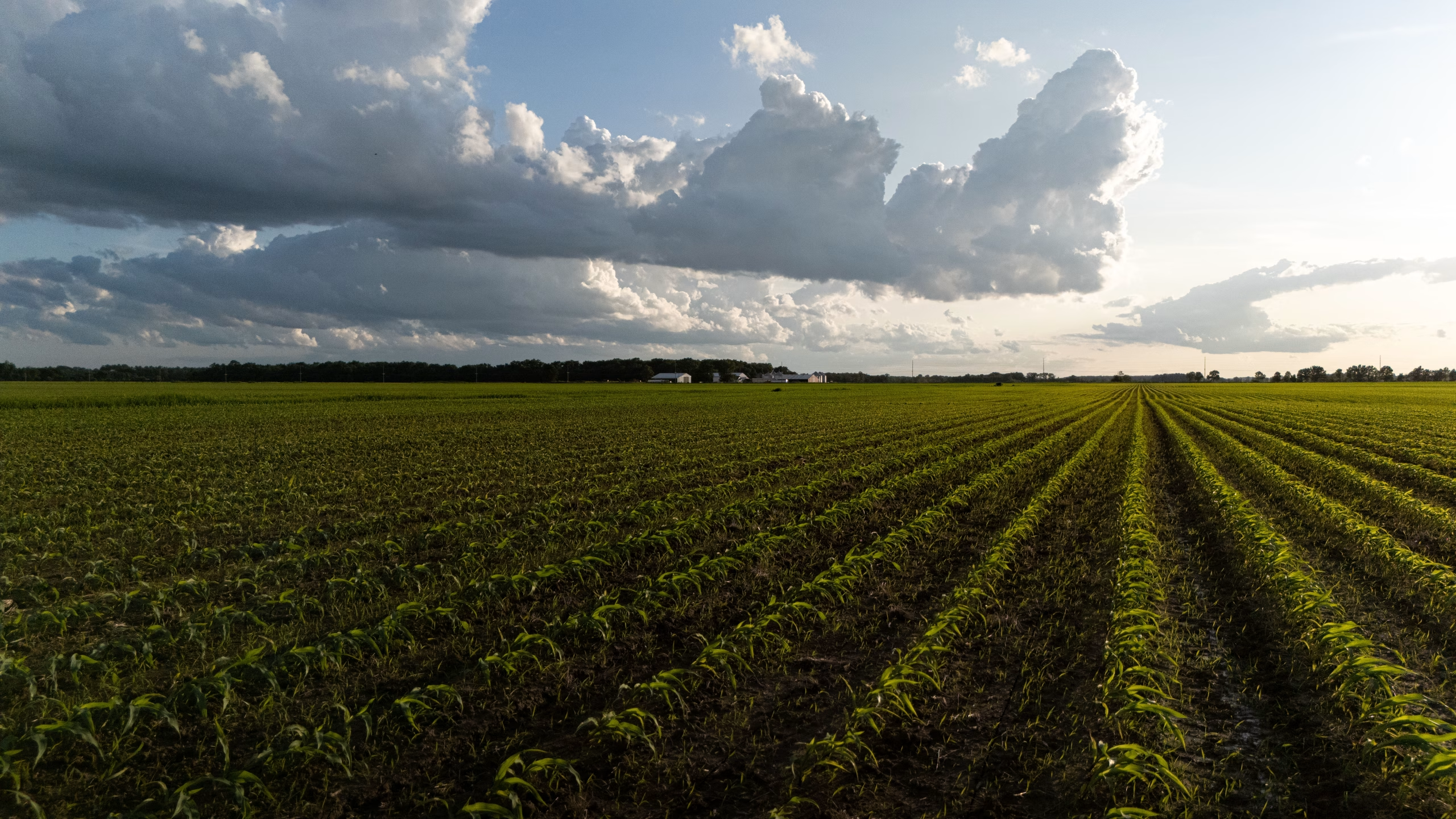
Weather-Based Farming: Smart Crop Planning According to Rainfall, Temperature, and Weather Forecast
Weather plays a vital role in modern agriculture. Every stage of crop production—from sowing seeds to harvesting—depends on weather conditions. Rainfall, temperature, humidity, wind, and seasonal changes directly affect crop growth and yield. With today’s accurate weather forecasting, farmers can make informed decisions that reduce risks and improve productivity. Weather-based farming is the practice of planning agricultural activities according to weather forecasts and climatic conditions.
Importance of Weather in Farming
Rainfall determines the availability of water for crops. Timely rainfall supports healthy germination and reduces irrigation costs. However, excessive rain can cause waterlogging, root diseases, and nutrient loss. Similarly, insufficient rainfall leads to drought stress and poor crop development.
Temperature is another critical factor. Every crop has an ideal temperature range for germination, flowering, and fruit development. High temperatures may reduce pollen viability and increase evaporation, while extremely low temperatures can damage young plants through frost.
Humidity influences pest and disease outbreaks. High humidity encourages fungal diseases, whereas dry weather can increase insect infestations. Wind also affects pollination, irrigation efficiency, and crop lodging.
Using Weather Forecasts for Better Farming
Modern weather forecasting allows farmers to plan operations more effectively. Farmers can:
- Choose the best time for sowing based on expected rainfall.
- Schedule irrigation according to rainfall predictions, saving water.
- Apply fertilizers when rain is not expected immediately to prevent nutrient loss.
- Spray pesticides during calm weather to improve effectiveness.
- Harvest crops before heavy rain or storms to reduce post-harvest losses.
Weather-based planning also helps farmers prepare for extreme events such as heatwaves, cold waves, heavy rainfall, hailstorms, and strong winds.
Benefits of Weather-Based Farming
Adopting weather-based farming offers several advantages:
- Higher crop productivity.
- Reduced irrigation and input costs.
- Better fertilizer and pesticide efficiency.
- Lower crop losses from adverse weather.
- Improved soil moisture management.
- Increased profitability and sustainable farming practices.
Role of Technology
Today, mobile weather apps, automatic weather stations, satellite monitoring, and government weather advisories provide timely information to farmers. By regularly checking weather updates, farmers can make quick decisions and protect their crops from unexpected climate events.
Conclusion
Weather-based farming is no longer an option but a necessity in the era of climate change. Farmers who integrate weather forecasts into their daily farming decisions can minimize risks, increase yields, and improve farm income. Smart farming begins with understanding nature and using weather information wisely.
Leave a Reply