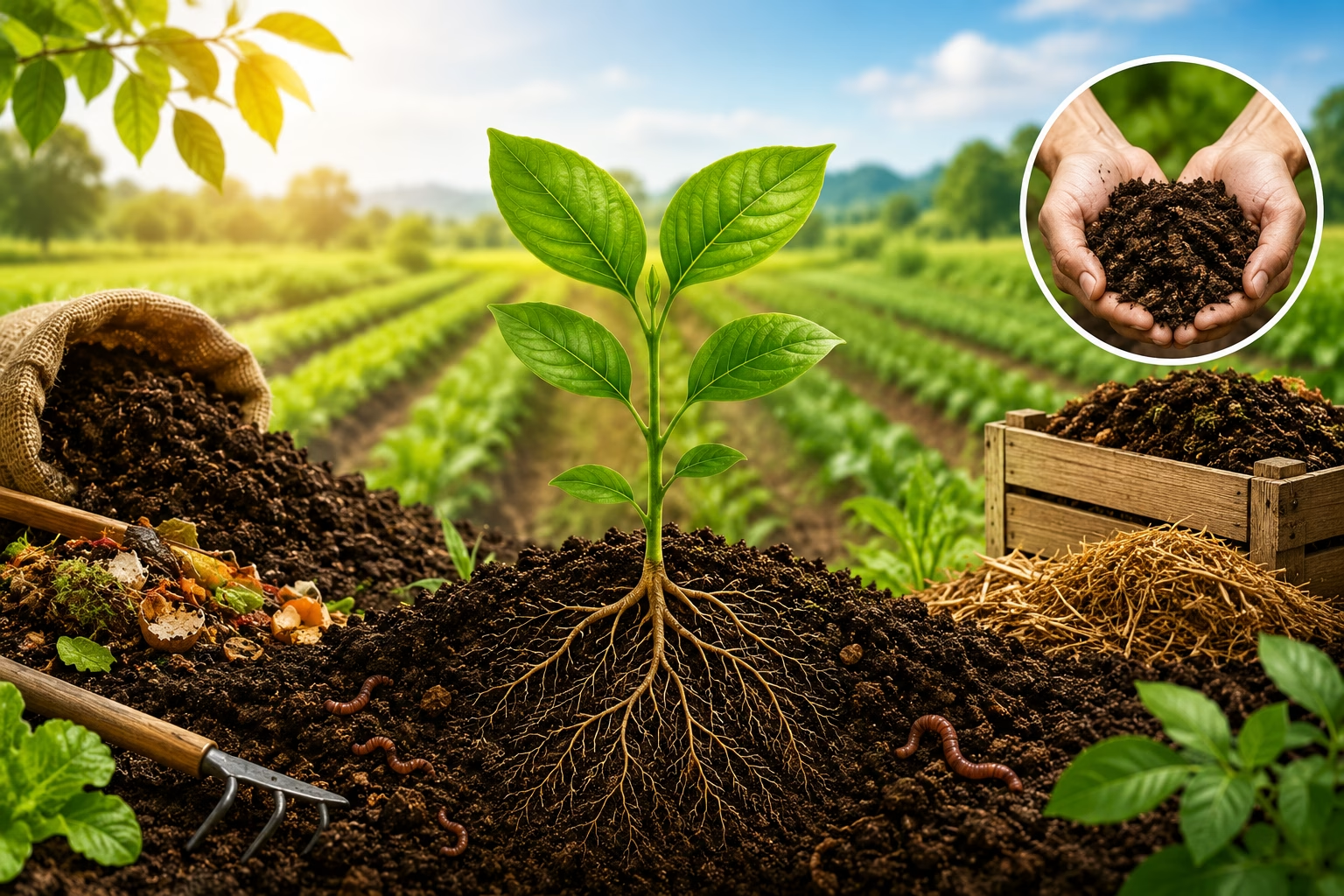
How Organic Farming Improves Soil Fertility
Soil is the foundation of agriculture, and its fertility determines the quality and quantity of crops. However, years of excessive chemical fertilizer use, pesticides, and intensive farming practices have reduced soil health in many parts of the world. Organic farming offers a sustainable solution by improving soil fertility naturally while protecting the environment. Instead of relying on synthetic chemicals, organic farming uses natural methods such as compost, green manure, crop rotation, and beneficial microorganisms to enrich the soil and maintain long-term productivity.
- Increases Organic Matter in Soil
One of the biggest advantages of organic farming is the addition of organic matter through compost, farmyard manure, crop residues, and vermicompost. Organic matter improves soil structure, making it loose and porous. This allows better root penetration, water retention, and air circulation, creating an ideal environment for healthy plant growth.
- Enhances Beneficial Microorganisms
Healthy soil contains millions of bacteria, fungi, earthworms, and other microorganisms that break down organic materials into nutrients. Organic farming encourages the growth of these beneficial organisms by avoiding harmful pesticides and chemical fertilizers. These microorganisms improve nutrient cycling, making essential minerals like nitrogen, phosphorus, and potassium available to plants naturally.
- Improves Soil Structure
Organic farming enhances soil aggregation, which means soil particles bind together to form stable structures. Well-structured soil prevents compaction, improves drainage, and increases water infiltration. As a result, crops develop stronger root systems and become more resistant to drought and heavy rainfall.
- Boosts Nutrient Availability
Organic fertilizers release nutrients slowly, ensuring a continuous supply throughout the crop-growing season. Unlike chemical fertilizers that may wash away quickly, organic nutrients remain available for longer periods. Crop rotation with legumes also helps fix atmospheric nitrogen into the soil, naturally increasing fertility.
- Reduces Soil Erosion
Healthy soils rich in organic matter hold together better and are less likely to erode due to wind or water. Practices like cover cropping, mulching, and conservation tillage protect the soil surface, reducing nutrient loss and preserving fertile topsoil.
- Increases Water Retention Capacity
Organic matter acts like a sponge, helping soil retain moisture for longer periods. This reduces irrigation needs and helps crops survive during dry conditions. Improved water-holding capacity also minimizes runoff and prevents nutrient loss.
- Maintains Balanced Soil pH
Excessive chemical fertilizers can make soils either too acidic or too alkaline, reducing nutrient availability. Organic farming naturally maintains a balanced soil pH, ensuring plants can absorb nutrients efficiently and remain healthy.
- Promotes Biodiversity
Organic farming supports biodiversity both above and below the ground. Beneficial insects, pollinators, earthworms, fungi, and microorganisms thrive in organic fields. This balanced ecosystem naturally controls pests, improves nutrient cycling, and contributes to healthier, more fertile soil.
- Prevents Chemical Contamination
By avoiding synthetic pesticides, herbicides, and fertilizers, organic farming keeps harmful chemicals out of the soil. This protects soil organisms and ensures that the land remains productive for future generations.
- Supports Long-Term Sustainability
Unlike intensive farming practices that may provide short-term gains at the expense of soil health, organic farming focuses on maintaining fertility for future generations. Healthy soil produces nutritious crops, supports environmental conservation, and helps farmers achieve sustainable agricultural productivity.
Conclusion
Organic farming is much more than a method of growing crops—it is a sustainable approach to protecting one of our most valuable natural resources: soil. By increasing organic matter, promoting beneficial microorganisms, improving soil structure, conserving water, reducing erosion, and maintaining biodiversity, organic farming naturally enhances soil fertility. As the demand for healthy food and environmentally friendly farming practices continues to grow, adopting organic farming techniques can ensure long-term agricultural productivity while preserving the planet for future generations.
Leave a Reply