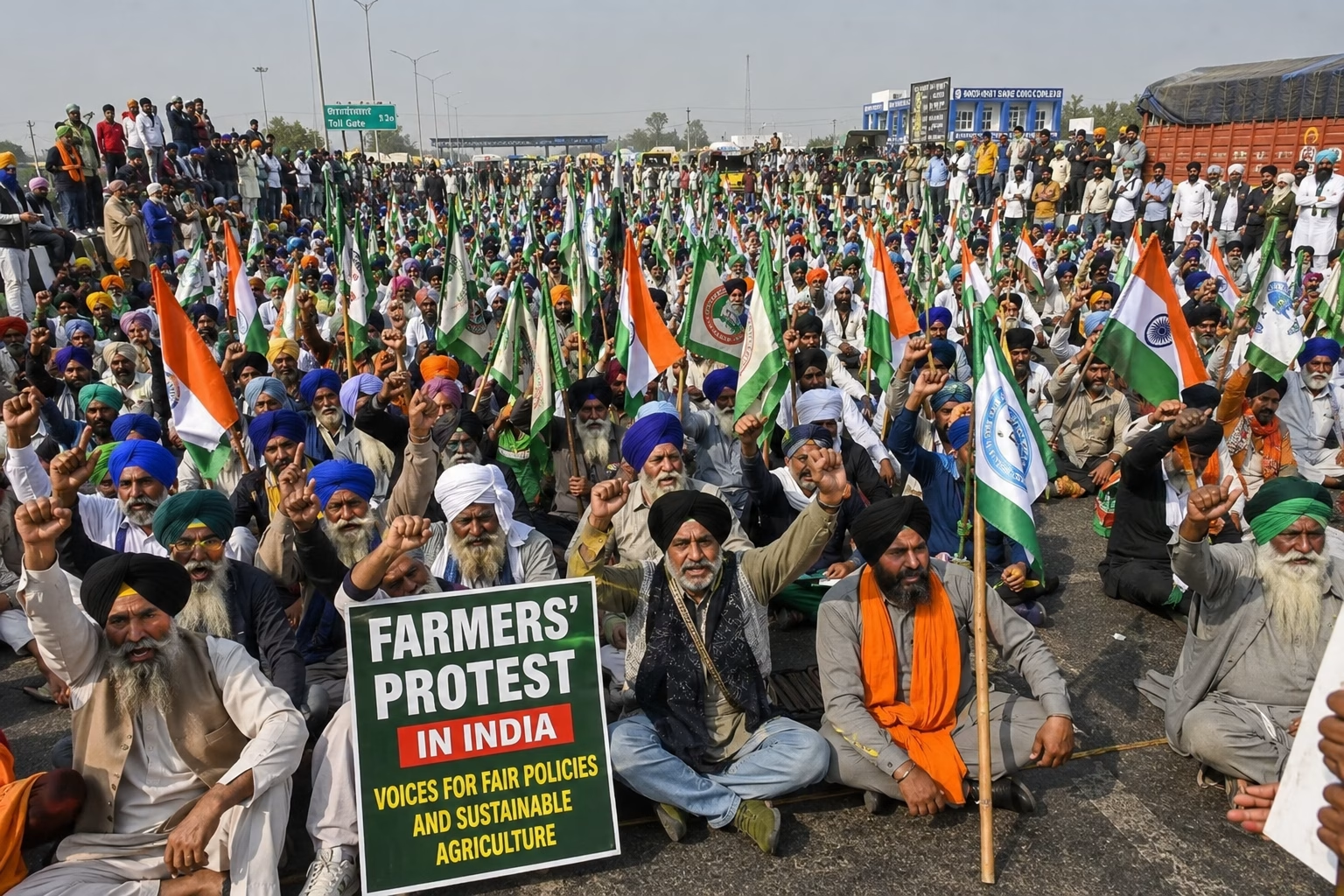
Farmers’ Protest in India: Voices for Fair Policies and Sustainable Agriculture
On 20 July 2026, farmers from different parts of India continued their protests to raise concerns about various agricultural and economic issues affecting their livelihoods. The demonstrations reflected the ongoing demand for better support from the government, including fair crop prices, timely procurement, loan relief, improved irrigation facilities, and stronger social security measures.
Agriculture remains the backbone of India’s economy, providing employment to millions of families and contributing significantly to food security. However, farmers continue to face numerous challenges such as unpredictable weather, rising input costs, declining profits, market uncertainties, and the increasing impact of climate change. These issues have prompted farmer organizations to seek policy reforms that ensure long-term sustainability and financial stability.
One of the major demands during the protests has been the implementation of fair pricing mechanisms that guarantee farmers receive remunerative prices for their produce. Many farmer groups have also emphasized the need for improved crop insurance, better storage infrastructure, expansion of irrigation facilities, and easier access to agricultural technology.
Apart from economic concerns, the protests have highlighted the importance of strengthening rural development. Farmers have urged authorities to improve rural roads, electricity supply, agricultural research, and digital services that can help modernize farming practices. Experts believe that technology-driven agriculture, climate-resilient farming techniques, and efficient supply chains can significantly improve farmers’ incomes in the coming years.
The government has stated that it remains committed to the welfare of farmers and continues to engage with representatives of various farmer organizations through dialogue. Several agricultural welfare schemes and infrastructure projects are already underway, while discussions regarding additional policy measures continue. Peaceful communication and constructive negotiations remain essential for finding balanced solutions that protect both farmers’ interests and national agricultural development.
The farmers’ protest serves as a reminder that agriculture is not merely an occupation but the foundation of India’s food system. Ensuring sustainable farming practices, fair market opportunities, and financial security for farmers will play a vital role in achieving inclusive economic growth.
Conclusion
A strong agricultural sector is essential for a strong nation. Addressing farmers’ concerns through transparent dialogue, practical reforms, and long-term investment can strengthen rural livelihoods and ensure food security for future generations. Cooperation between farmers, governments, experts, and society remains the key to building a resilient agricultural ecosystem.
Leave a Reply