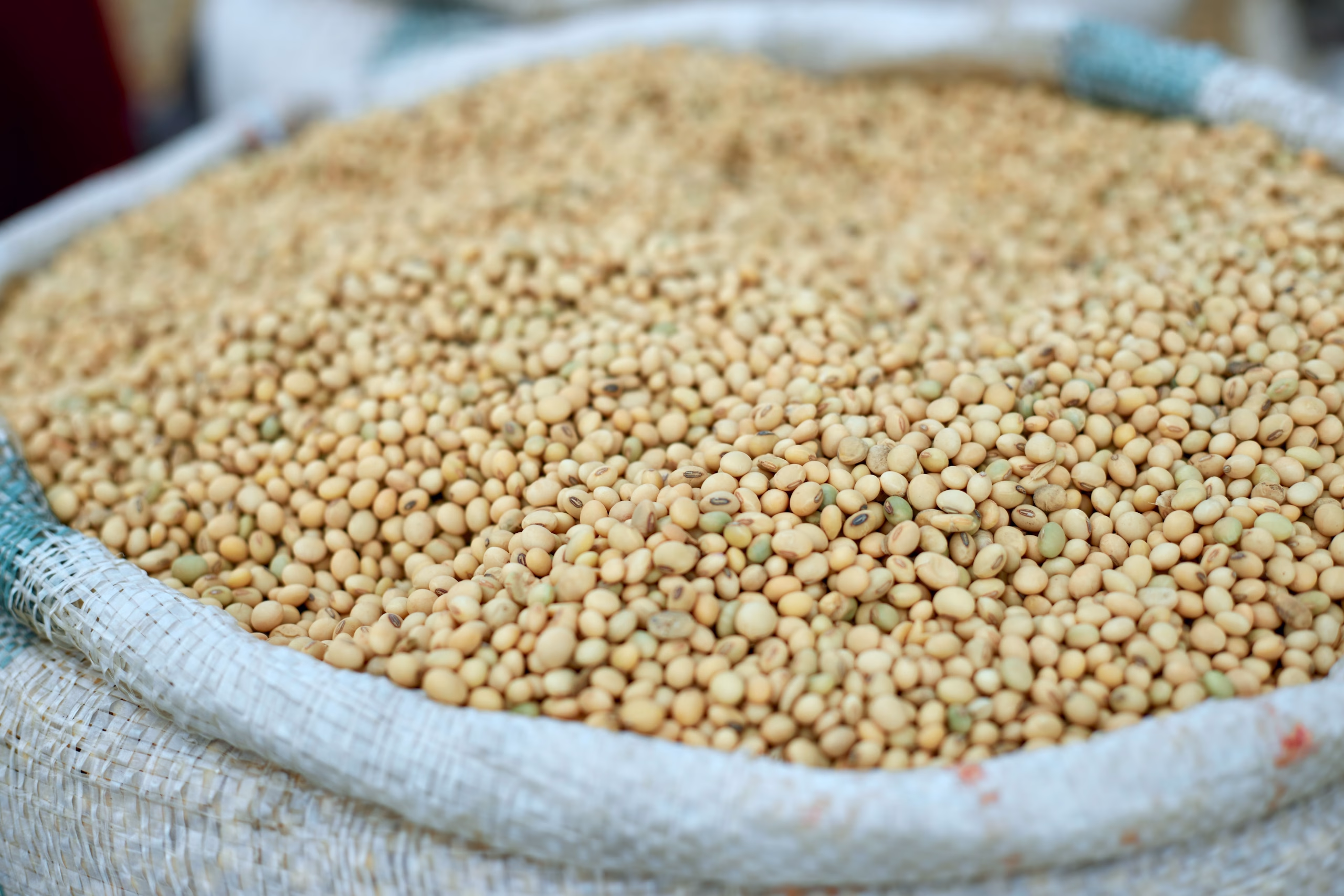
Soybean Farming Guide
Soybean is one of the most important Kharif crops and is often called the “Golden Bean” because of its high nutritional and economic value. It contains nearly 40% protein and 20% oil, making it an essential crop for food, livestock feed, and edible oil production. Major soybean-growing states in India include Madhya Pradesh, Maharashtra, Rajasthan, Uttar Pradesh, and Chhattisgarh. By adopting scientific farming practices, farmers can achieve higher yields and better profits.
- Climate and Soil
Soybean grows best in warm and humid conditions with temperatures ranging from 20°C to 30°C. It requires 600–1000 mm of rainfall during the growing season. Well-drained loamy or medium black soils with a pH between 6.0 and 7.5 are ideal for cultivation.
- Land Preparation
Prepare the field with one deep ploughing followed by two or three harrowings to obtain a fine seedbed. Ensure proper leveling to prevent waterlogging. Incorporate 5–10 tonnes of well-decomposed farmyard manure per hectare before sowing to improve soil fertility.
- Improved Varieties
Choose high-yielding and disease-resistant varieties suitable for your region, such as:
- JS-335
- JS-95-60
- NRC-37
- RVS-2001-4
- MAUS-71
Selecting the right variety significantly improves productivity.
- Sowing Time
The ideal sowing period is from the last week of June to the middle of July, immediately after receiving the first effective monsoon rainfall. Timely sowing ensures proper plant establishment and higher yields.
- Seed Rate and Seed Treatment
Use 60–75 kg of quality seed per hectare. Before sowing, treat the seeds with a recommended fungicide and Rhizobium culture. Seed treatment improves germination, protects against seed-borne diseases, and enhances nitrogen fixation.
- Nutrient Management
Apply fertilizers based on soil test recommendations. Generally, 20–25 kg nitrogen and 60–80 kg phosphorus per hectare are recommended. Potassium should be applied where required. Micronutrients like sulfur and zinc should also be supplied if deficiencies are observed.
- Irrigation and Weed Management
Soybean is primarily a rainfed crop, but supplemental irrigation during flowering and pod formation can significantly improve yield during dry spells. Effective weed management during the first 20–30 days after sowing is critical. Manual weeding or recommended herbicides can help reduce weed competition.
- Pest and Disease Management
Common pests include stem fly, girdle beetle, and caterpillars, while major diseases include Yellow Mosaic Virus and soybean rust. Regular crop monitoring is essential for early detection. Adopt Integrated Pest Management (IPM), use certified seeds, maintain field sanitation, and apply recommended pesticides or fungicides only when necessary.
- Harvesting and Storage
Harvest the crop when the leaves turn yellow and shed naturally, and the pods become dry. Dry the harvested grains to a moisture level of around 10–12% before storage. Store the produce in clean, dry, and well-ventilated facilities to prevent spoilage.
Conclusion
Soybean cultivation can be highly profitable when supported by improved varieties, timely sowing, balanced nutrient management, and effective pest and weed control. Scientific farming practices not only enhance productivity but also improve grain quality and farm income. With proper planning and regular crop monitoring, soybean can become a sustainable and rewarding crop for farmers.
“Adopt modern farming practices, grow healthier soybean crops, and maximize both your yield and your profits.”
Leave a Reply